
The Appraisal Clause: Your Policy Right to a Fair Total Loss Settlement

The Appraisal Clause: Your Policy Right to a Fair Total Loss Settlement
Your vehicle is declared a total loss. A few days later, the insurance company sends a settlement offer based on the vehicle’s Actual Cash Value (ACV).
Vehicle owners look at their settlement offer and think the same thing: "There is no way I could buy the same vehicle for that amount!"
Fortunately, many auto insurance policies include a built-in method for addressing these situations: the appraisal clause.
In this guide we explain exactly what to do if your total loss insurance offer seems low.

Automated Third-party Insurance ACV Valuations Can Lead to Low Offers.
Your insurance offer may look precise. It often comes with a detailed report generated by a third-party valuation system like CCC One or Mitchell Total Loss Evaluations, complete with comparable vehicles, condition adjustments, and calculations.
Automated valuation systems rely on data inputs and algorithms to estimate market value. If the report contains small inaccuracies, such as the wrong trim level, missing options, incorrect mileage, or questionable comparable vehicles, the final settlement can be thousands of dollars lower than the vehicle’s real market value.
Sometimes the discrepancies are obvious. Sometimes they are buried deep in the report where most policyholders would never think to look.
The appraisal clause in auto insurance allows policyholders to dispute a valuation by obtaining an independent appraisal. Instead of relying solely on the insurer’s report, both parties can present their own valuation and resolve the disagreement through a structured process designed to determine the vehicle’s fair market value.
Understanding how the appraisal clause works can help policyholders address total loss ACV disputes and ensure the settlement accurately reflects the vehicle’s value.

Common Insurance Valuation Errors That Trigger the Appraisal Process
Before exploring the appraisal clause itself, it’s worth understanding the most frequent reasons vehicle owners find themselves needing to dispute a total loss offer. Valuation errors are more common than most people expect, and they often go unchallenged simply because policyholders don’t know what to look for. After all, who reads the fine print on a CCC report?
• CCC One valuation errors that misrepresent your vehicle’s market position
• Mitchell valuation inaccuracies based on incorrect vehicle data
• Incorrect ACV calculations that don’t reflect current local market conditions
• Failure to include dealer fees or market-adjusted pricing
• Use of non-comparable vehicles from outside your regional market
• Missing factory options or packages that materially affect value
• Inaccurate prior condition deductions applied without documentation
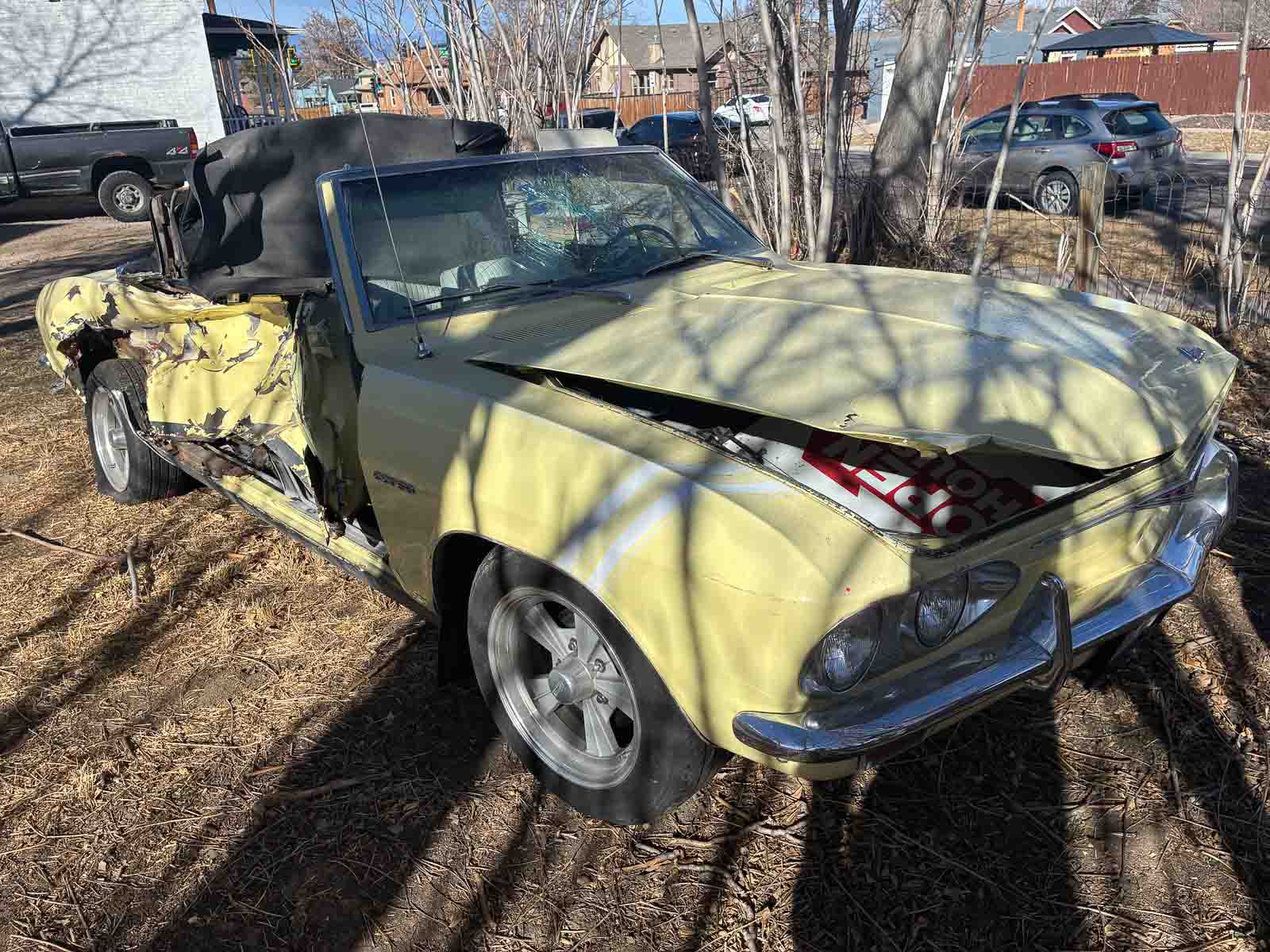
What Is the Appraisal Clause in Auto Insurance?
The appraisal clause is a provision found in most auto insurance policies for the insured to dispute an insurer’s valuation of a vehicle.
When a vehicle is considered totaled, meaning the cost of repairs is greater than the car’s value, the insurance company offers a settlement for payout based on the car’s Actual Cash Value (ACV). This is a calculation pulled from sources like CCC Valuation and Mitchell Total Loss Valuations.
If and when the insured disputes a settlement, they can hire their own independent appraiser to determine the value of the car. If the two appraisers (hired separately by the insured and insurer) cannot agree, they select a neutral umpire who determines the final value. The decision made by the umpire is binding for both parties.
The appraisal clause applies to disputes over the value of a vehicle, most commonly in total loss claims. In some states and depending on the language of the insurance policy, it may also apply to diminished value claims. Keep in mind that the appraisal clause only applies to disputes over value. It does not apply to disagreements about insurance coverage or liability for the accident.
When Should You Use the Appraisal Clause?
It is advantageous to invoke the appraisal clause when there are signs that the insurance company’s total loss valuation doesn’t accurately reflect the market value of your vehicle.
Common signs your total loss offer may be too low:
- Wrong trim level or model listed - The valuation report lists a lower trim level or incorrect model that reduces the calculated value.
- Missing factory options or packages - Features such as upgraded audio systems, technology, or premium trims aren’t included in the valuation.
- Incorrect mileage - The mileage used in the valuation report is listed higher than the vehicle’s actual mileage, lowering the estimated value.
- Excessive or unjustified condition adjustments - Deductions in the report do not accurately reflect the vehicle’s condition prior to the loss.
- Comparable vehicles from different markets - The valuation relies on vehicles located outside the local market, which may not reflect accurate pricing from the location of the registered vehicle.
- CCC or Mitchell valuation inconsistent with real-world listings - The calculated value doesn’t align with current listings for similar vehicles available for sale.
- Adjuster refuses to reconsider despite documented evidence - Even after providing documentation showing errors or inconsistencies in the valuation report, the insurer refuses to revise the settlement offer. This is one of the most common reasons policyholders invoke the appraisal clause.
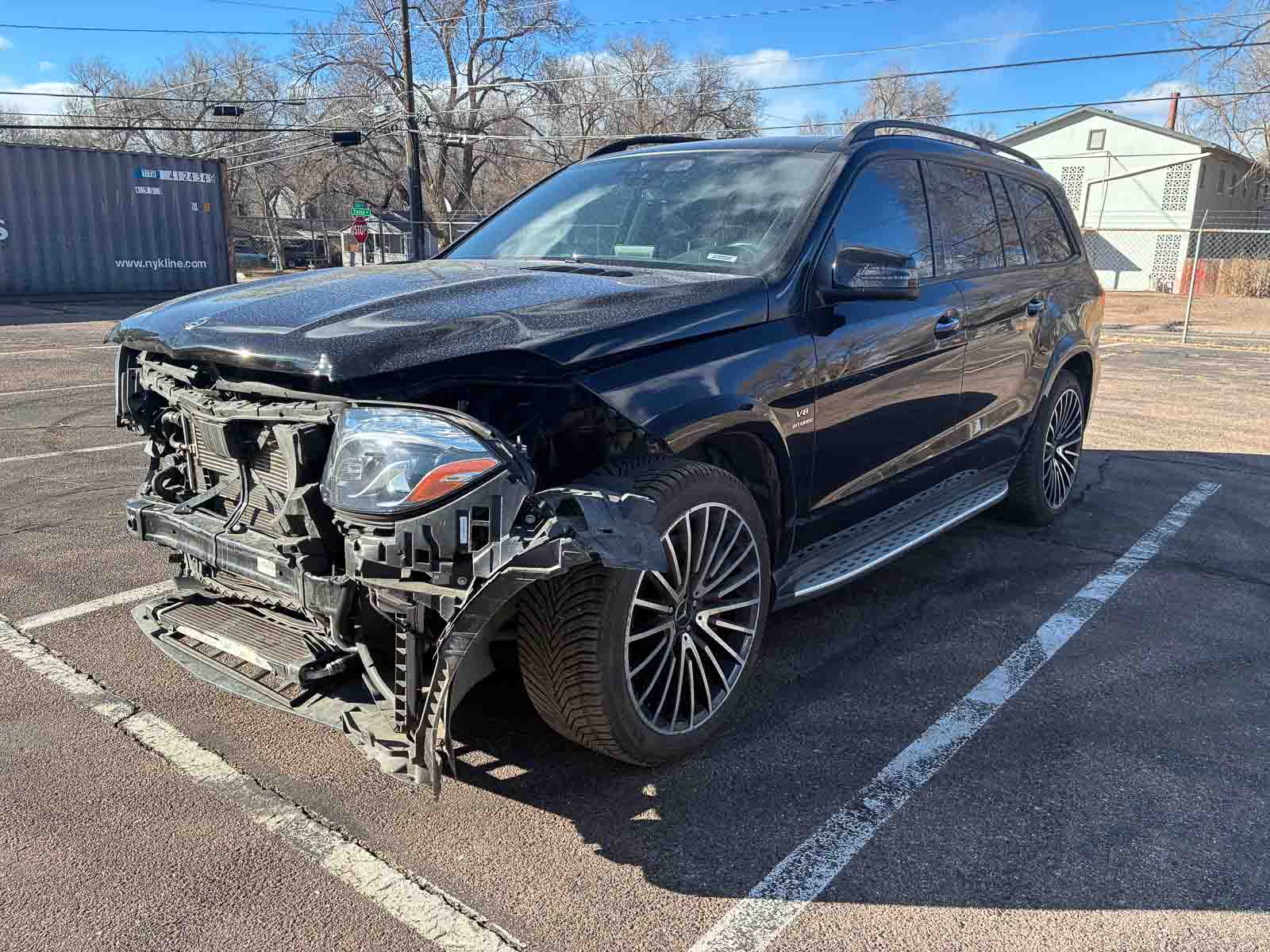
How the Appraisal Clause Process Works Step-by-Step
Although the appraisal clause is defined in the policy, many policyholders don’t understand how it works.
By following these steps, you can better understand the process.
Step 1: You Invoke the Appraisal Clause
The policyholder submits a written request to the insurance company stating that they are invoking the appraisal clause outlined in their insurance policy. Be sure to read the requirements before submitting.
Step 2: Each Party Hires an Appraiser
You select your own independent appraiser, and the insurance company selects an appraiser. Each party is responsible for the cost of hiring their own appraiser.
Step 3: Appraisers Attempt to Agree
Both appraisers independently review the valuation, compare the value to similar vehicles (within the local market), assess vehicle conditions and equipment, and attempt to reach a mutually agreed value. In many cases, the two appraisers come to a mutual agreement.
Step 4: Umpire Involvement (if necessary)
If the two appraisers cannot agree, a neutral third party, called an umpire, is selected. The umpire reviews both appraisals and determines the final value. In this case, the value is final and binding. Based on this valuation, the insurer is required to pay the determined ACV, minus the deductible.
Why Many Vehicle Owners Struggle Without Independent Appraisal.
Insurance appraisers and adjusters deal with total loss valuation disputes every day. Most vehicle owners experience the process once, maybe twice. That difference in experience matters.
CCC One and Mitchell Valuation reports are dense with condition adjustments, comparable vehicle selections, and insurance terminology. Individual deductions may look small, but they add up fast. And insurers have appraisers who know exactly how to build and defend those numbers.
Hiring an independent appraisal expert levels the playing field, therefore, making your claim easier to navigate.

Why You Need a Third-Party Appraisal Expert
When a total loss claim appears undervalued, an independent appraiser like Total Loss Champions can provide an objective review of the insurer’s valuation.
Expert representation ensures you get a fair offer.
Independent appraisal professionals often bring significant industry experience to the process.
This may include:
- Experience as an insurance adjuster and claims manager
- In-depth understanding of insurer valuation practices
- Knowledge of how CCC One and Mitchell reports are constructed and defended
- The ability to identify subtle valuation errors that are easy to overlook
This experience allows appraisers to evaluate whether the valuation accurately reflects the vehicle’s market value.
Frequently Asked Questions
Is the appraisal clause legally binding?
Yes. Once the appraisal process concludes, whether through agreement between the two appraisers or a determination by the umpire, the resulting value is binding on both you and the insurance company. The insurer is contractually obligated to pay that value, minus the deductible (if applicable).
Can the insurance company refuse appraisal?
Generally, no. The appraisal clause is part of your insurance contract, which means both parties are bound by it. If an insurer attempts to refuse a properly invoked appraisal request, that may constitute a breach of contract. Review your policy language and document all communications if you encounter resistance.
How long does the appraisal process take?
The timeline varies depending on the complexity of the dispute, how quickly each party selects their appraiser, and whether an umpire is needed. In straightforward cases, the process can resolve within a few weeks. More contested disputes may take longer. In most cases, it is still faster than litigation, which is saying something.
Who pays the umpire?
The cost of the umpire is typically split equally between you and the insurance company. Each party pays for their own appraiser independently. Your policy will usually specify how umpire costs are handled.
What happens if I already accept the settlement?
Once you accept and cash a settlement check, it generally becomes much more difficult to reopen the claim. If you have not yet accepted the offer, you still can invoke the appraisal clause. If you’re unsure whether your acceptance was final, reviewing your state’s laws and the language on any settlement documents is an important first step.
Does invoking appraisal cancel my policy?
No. Invoking the appraisal clause is a contractual right under your existing policy. Using it does not constitute cancellation and should not affect your coverage. Insurers are not permitted to retaliate against policyholders for exercising contractual rights.
Is appraisal the same as arbitration?
No. Appraisal and arbitration are distinct processes. Appraisal is limited to determining the value of the vehicle and is initiated under the specific appraisal provision in your policy. Arbitration is a broader legal dispute resolution process that can address other types of disagreements. The two should not be confused, as they operate under different rules and have different scopes.
Related Articles
Learn everything you need to know about your claim.



Don't Let Insurance Undervalue your Vehicle.
Have Aaron a public adjuster with 20 years of experience evaluate your claim for you.