
Is My Car Totaled? How Total Loss Threshold Works
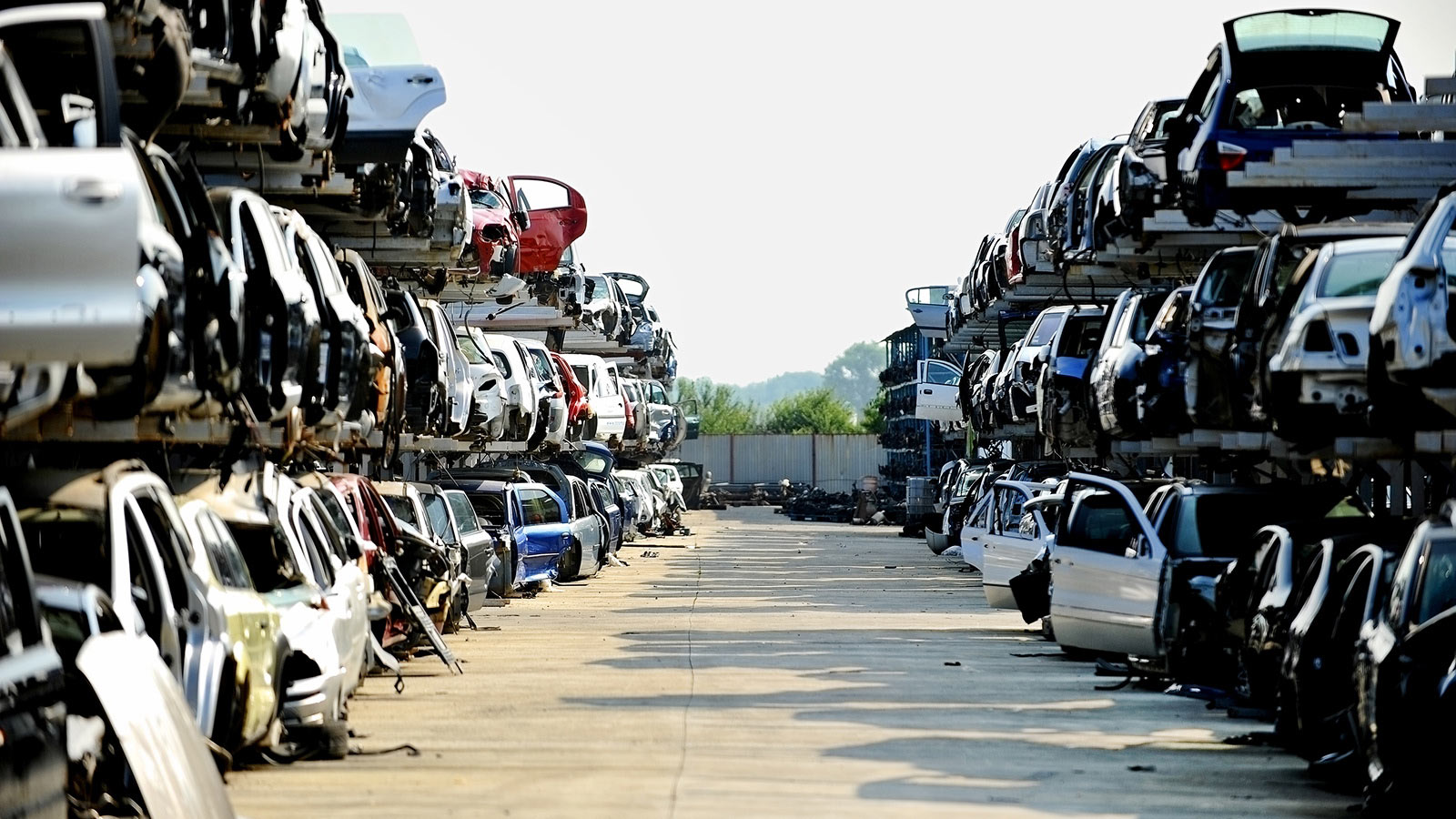
Is My Car Totaled?
A vehicle can be totaled even if it still starts, drives, and looks repairable. The decision isn’t about whether the car is “destroyed.” It’s about whether the cost to repair it approaches or exceeds its “actual cash value” or the market value before the accident under your state’s total loss threshold rules.
This guide will help you determine if your car is likely to be totaled.
- Even if your car still drives, it can be considered totaled based purely on repair cost versus what the car was worth before the accident.
- Common signs your car may be totaled include airbags deploying, frame damage, or a repair estimate approaching 70–80% of your vehicle’s value.
- Insurers compare repair costs to your vehicle’s pre-accident market value and apply state-specific total loss thresholds or formulas to make the final call.
Total Loss Champions will tell you the fair pre-accident market value of your vehicle so you can compare this with the payout offered by the insurance company, and help you use the appraisal clause to recover fair market value if their offer is too low.

How To Tell If Your Car Will Be Totaled
This five-step process mirrors how insurers come up with their appraisal. Use it to decipher early statements from the insurance adjuster before the official decision arrives.
Step 1: Get the Repair Estimate
Obtain a written estimate from a reputable collision repair shop showing parts, labor, and total cost. Ask if the estimate is “pre-teardown” and whether the shop expects supplement costs once hidden damage is found.
Use the higher, more realistic expected total when deciding if your car may be totaled.
Step 2: Get a Free Claim Evaluation
Not sure where your claim stands?
Total Loss Champions offers a free claim evaluation to help you understand your car's value and whether your insurer's offer is fair. Start your free claim evaluation
Our team will review your situation and let you know your options, including how to invoke the appraisal clause if your insurer won't budge.
Step 3: Check Your State’s Total Loss Threshold Rule
It's important to understand how your state determines whether a vehicle is a total loss, as rules vary widely across the country. Generally, states use one of two main approaches:
- Threshold Rule: Many states declare a vehicle a total loss when the repair costs reach a fixed percentage of the car’s actual cash value (ACV), often around 70% to 100%. For example, if your car’s ACV is $10,000, and repair costs exceed $7,000 to $8,000, your vehicle may be totaled under this rule.
- Total Loss Formula (TLF): Other states use a formula that factors in both the repair costs and the salvage value of the vehicle. Under this method, the car is totaled if the sum of repair costs plus salvage value is greater than or equal to the ACV. This approach is common in states like Texas.
Knowing which rule applies in your state helps you interpret the results and anticipate how your claim might be handled. If you are unsure, you can usually find your state’s total loss threshold rules through your insurance department or by consulting with a public adjuster.
Step 4: Review the Insurance Company’s Valuation Carefully
You can upload your Insurance valuation on our website and have a free claim review with our team.
When you receive a valuation report or total loss offer, verify the basics:
- Correct year, make, model, and trim
- Accurate mileage
- All major options included (leather, sunroof, ADAS, towing package)
Look at the comparable vehicles in the report. Are they local? Same trim? Similar mileage and condition? Highlight any that appear to be cheaper models, from distant markets, or in worse condition than your car.
If you spot errors, read total loss claims explained and what is the appraisal clause for next steps.
How a Vehicle Is Declared a Total Loss
Insurance companies total cars based on a system: comparing the cost to repair the vehicle against its actual cash value under state-specific rules.
Here’s the basic process an insurance adjuster follows:
- Estimate repair costs by reviewing body shop quotes covering labor, parts, paint, and mechanical work
- Determine the vehicle’s pre-accident actual cash value using third-party valuation systems
- Apply the state’s total loss threshold (a percentage) or total loss formula (which may include salvage value)
In many states, a car becomes a total loss when repair costs reach approximately 70–100% of actual cash value (the market value). In formula states, insurers use a different calculation: Repair Cost + Salvage Value ≥ ACV. If the equation is true, it’s a total loss.
Consider a 2019 SUV with a pre-accident value of $22,000. If damage estimates come in at $18,000 (roughly 82% of ACV), that vehicle is very likely to be totaled in most states. But even a vehicle with $14,000 in damage on that same SUV could tip into total loss territory once hidden damage is discovered during teardown.
Hidden damage is the key factor many drivers miss. Frame rails, suspension components, ADAS sensors, and safety systems often reveal additional damage once the vehicle is torn down, pushing estimates up by 20–50% from the initial quote.
A wrecked car can still start, drive, and appear fixable, yet be declared a total loss based on the insurer’s economics.
If you want a deeper walkthrough of the claim process, read how total loss claims work or get started with a free total loss appraisal.
Common Signs Your Car May Be a Total Loss
Older cars with well-documented overall condition can become total losses with surprisingly minor damage because their actual cash value is low.
Red flags that suggest a total loss:
- Repair estimate is near or above the vehicle’s likely market value
- Multiple airbags deployed (frontal and side curtains)
- Visible frame or structural damage
- Severe front-end, rear-end, or side impact damage
- Fire or flood damage
- Older vehicle or high mileage (which means lower ACV)
- Long repair timeline due to parts backorders
What Factors Determine Whether Your Car Is Totaled?
Insurers use the following to determine the loss: repair cost, actual cash value, state rules, salvage value, and the type of damage involved. Understanding these key factors helps you spot mistakes in the insurer’s valuation and know when to ask for help.
1. Repair Cost
Insurers rely on repair estimates that itemize body work, mechanical repairs, paint, and labor hours. Modern vehicles with ADAS cameras, parking sensors, and complex bumper assemblies can rack up repair costs quickly—even from impacts that don’t look severe.
Initial estimates often increase after teardown when hidden damage is found. These “supplements” are add-on estimates the insurer approves as repairs progress. Ask for a written estimate with total line-item costs, and be prepared for that number to rise if the shop suspects additional damage.
2. Actual Cash Value
Actual cash value is your vehicle’s fair market value immediately before the accident. It accounts for the car’s age, mileage, options, condition, and what similar cars sell for in your local market.
ACV is not what you originally paid for the car, not your loan balance, and not what a newer car would cost to replace it. Insurers typically use third-party systems like CCC, Mitchell, or Audatex to generate ACV reports based on comparable vehicles in your region.
Mistakes in ACV calculations, such as wrong trim level, missing optional features, incorrect mileage, are a major reason total loss offers come in too low. This is exactly where an independent appraisal service like Total Loss Champions can help you recover fair value.
Read our article on Actual Cash Value
3. State Total Loss Rules
Each state sets its own approach. Some use a fixed total loss threshold (e.g., 75% of ACV), while others use a total loss formula that factors in salvage value.
This means a 2017 sedan with $9,000 in damage and an $11,000 ACV might be repaired in a high-threshold state but totaled in a low-threshold state.
4. Salvage Value
Salvage value is what the insurer expects to receive at auction for your damaged vehicle after declaring it a total loss. In formula states, the decision rule looks like: Repair Cost + Salvage Value ≥ ACV.
A higher salvage value can push a borderline car into total loss territory. Most drivers never see this number on initial paperwork, but it matters in the insurer’s internal math, and later if you choose to keep the vehicle.
5. Structural and Safety Damage
Certain damage types dramatically increase repair cost and affect whether the car is safe to drive. Key triggers include:
- Bent frame rails or damaged unibody structure
- Deployed airbags (frontal, side, curtain)
- Seatbelt pretensioners that fired
- Damaged sensors, cameras, or control modules
A combination of moderate structural damage plus airbags plus suspension issues often tips a claim into total loss territory, especially on older or mid-value vehicles. If a body shop mentions “frame rack,” “unibody damage,” or “airbag modules,” assume a higher total loss likelihood.
Total Loss Threshold Laws in The States We Service
State law can determine when an insurer must total a car versus when they have discretion to repair it. Even in high-threshold or formula states, insurers may still choose to total a vehicle for economic reasons, like extended parts backorders or rental car costs that exceed repair value.
These are the rules in the states we support:
Colorado
Colorado total loss threshold: 100% of the vehicle’s retail fair market value.
Colorado generally follows a threshold approach where moderate damage on older vehicles can tip into total loss territory. Market variability in Denver, Colorado Springs, and surrounding areas can affect how insurers calculate ACV.
Total Loss Champions is licensed and active in Colorado and regularly helps residents review low total loss valuations.
Texas
Texas uses its own total loss standard that makes ACV accuracy especially important. The same crash damage in Dallas or Houston may result in a total loss based largely on how the insurer calculates actual value and applies the relevant total loss formula.
100% / TLF-style standard — salvage vehicle definition ties damage to repair cost compared against ACV; ACV means market value. (Texas Statutes)
Precise documentation of your vehicle’s true market value matters significantly in Texas claims.
Utah
Utah follows a defined structure for economic total losses, influenced by both repair cost and vehicle value. Drivers in Salt Lake City and other Utah communities should verify how their insurer is applying the formula and request documentation when decisions seem borderline.
Commonly treated as repair cost + salvage value ≥ ACV. Utah’s claim rule says total loss settlements should be based on market value or cost of a comparable automobile, including applicable taxes and fees. (Legal Information Institute)
Wyoming
Wyoming’s rules allow insurers to rely on economic comparisons using repair cost, salvage value, and pre-accident value. Rural markets and limited comparable sales can make ACV harder to determine accurately.
75% threshold when no insurer is involved, or when the insurer declares it a total loss. Wyoming’s current legislative language references damage exceeding 75% of actual retail cash value. (Wyoming Legislature)
Independent appraisers like Total Loss Champions can help Wyoming drivers establish true market value when local comps are scarce.
Is My Car Totaled If the Airbags Deployed?
Airbag deployment does not automatically mean the car is totaled, but it’s a strong indicator that repair costs will climb significantly.
Replacing deployed airbags involves multiple components: steering wheel and passenger airbags, side curtains, sensors, control modules, seatbelt pretensioners, and often dashboard or interior trim. Total costs for airbag-related repairs frequently range from $5,000 to $15,000 depending on the vehicle.
For an 8–12 year old car or a vehicle with high mileage, the cost of safety system repairs plus cosmetic and mechanical work often approaches or exceeds actual cash value. Data suggests 70–80% of mid-range sedans with airbag deployment end up totaled.
For a newer car with higher value, airbags can deploy and the vehicle may still be repaired if overall damage stays below the state’s threshold or formula result. If the airbags went off and the insurer is leaning toward total loss, get the full valuation report and consider total loss help from our team.
Is My Car Totaled If the Frame Is Bent?
“Bent frame” in modern terms typically means structural or unibody damage, not just cosmetic issues like bent fenders. This distinction matters because structural damage requires specialized equipment to measure and straighten, and even successful repairs can raise concerns about long-term safety, alignment, and resale value.
Frame damage is a major cost driver. Insurers are more likely to total a lower-value car when frame rails or unibody sections are compromised, because the repair economics simply don’t work out.
If a body shop tells you the car needs to go on a frame rack or mentions structural rail damage, expect a higher likelihood of a total loss decision. When you suspect structural damage, start your claim with us for a free review of both the repair estimate and your vehicle’s true value.
Is My Car Totaled if I Hit a Deer?
Deer and other animal strikes are common in states like Colorado, Texas, Wyoming, and Utah, and often total a vehicle even at moderate speeds. Millions of deer-vehicle collisions happen annually, with incidents peaking in fall.
Typical deer-strike damage includes:
- Hood, bumper, and grille damage
- Headlight assemblies
- Radiator and cooling system components
- Windshield and roofline damage
- Airbag deployment in more severe impacts
Because much of this damage concentrates at the front of the vehicle, it often involves both body work and critical mechanical components, pushing repair bills up quickly.
A car may still drive after hitting a deer but be unsafe due to compromised radiator, sensors, or structural integrity, and still qualify as a total loss based on cost versus actual value.
What Happens After a Car Is Declared a Total Loss?
Once the insurer declares a total loss, the claim shifts from repair management to settlement and title handling.
The insurer will present a settlement offer based on actual cash value, minus any applicable deductible if you filed under collision coverage. If you have a loan or lease, part or all of the payout typically goes directly to the lender or leasing company, which can leave a remaining balance if ACV is lower than what you owe.
GAP coverage, if present, may help cover the shortfall between the settlement and loan payoff. This topic is covered more fully in our guide to total loss claims.
The insurer normally takes ownership of the damaged vehicle and handles salvage unless you elect to keep it. If you keep the car, the salvage value is deducted from your payout.
For personalized help navigating this process, visit our total loss service page.
Can You Keep a Totaled Car?
In many states, yes, you can elect to keep a totaled vehicle. But there are financial and legal tradeoffs.
If you keep the car, the insurer typically deducts salvage value from your settlement check, reducing cash in hand. The vehicle will often receive a salvage title or rebuilt title, which can affect:
- Future registration requirements
- Insurance availability and cost
- Resale value (often 20–50% lower than a clean title)
Any repairs and required inspections become your responsibility. Keeping a heavily damaged car isn’t always the best financial choice, especially if repairs plus title costs exceed buying a replacement.
Before deciding, consider long-term costs and consult our guide to total loss claims.
FAQ
These common questions address practical concerns drivers often raise beyond what’s covered in the main sections.
Can a car be totaled even if it still drives?
Yes. A car can be declared a total loss even if it starts, steers, and stops normally. The decision is about repair cost versus actual cash value, not drivability.
For example, a 10-year-old car that drives fine but has $9,000 in damage and only a $7,500 market value will likely be totaled. The economics don’t support repair. If your car still drives but has a high estimate, review how total loss claims work.
How do I know if my repair estimate is realistic?
Repair estimates can vary. If one quote is dramatically higher or lower than others, ask questions about parts type (OEM vs. aftermarket), labor rates, and included operations.
Getting a second opinion from another reputable body shop helps you understand whether the estimate is in normal range. Total Loss Champions can also review your estimate alongside the valuation to see if the total loss math makes sense.
What if I still owe money on a totaled vehicle?
The insurer pays based on actual cash value, not your loan balance. If you owe more than the car is worth (being “upside down”), you may have a remaining balance after the lender is paid.
GAP coverage, if you purchased it when financing, can help cover this shortfall. Review your finance and GAP documents, and see our total loss claims guide for more options.
Do I have to accept the first total loss offer?
No. Never blindly accept the first settlement offer even if it seems like a lot of money. You are not required to accept the first settlement offer. The automated appraisals insurance use often underestimates your vehicle’s true market value.
Follow the steps in this article: obtain the full valuation report, check comps and vehicle details, and submit a documented counter. If informal discussions stall, the policy’s appraisal clause and an independent appraiser may be your next step.
Do I need an independent appraiser for every total loss claim?
Not necessarily. If the settlement aligns closely with real market value and you’re satisfied, extra help may not be needed.
You could be leaving thousands of dollars on the table if you do not get a second opinion from a Certified Appraiser
An independent appraisal becomes valuable when there’s a clear gap between fair market value and the insurer’s offer, especially on higher-value vehicles or when the report contains obvious errors. Unsure?
Request a free claim review from Total Loss Champions, and we’ll tell you whether an appraisal is likely to pay off.
Related Articles
Learn everything you need to know about your claim.


Don't Let Insurance Undervalue your Vehicle.
Have Aaron a public adjuster with 20 years of experience evaluate your claim for you.